
CrossFit Republic – CrossFit
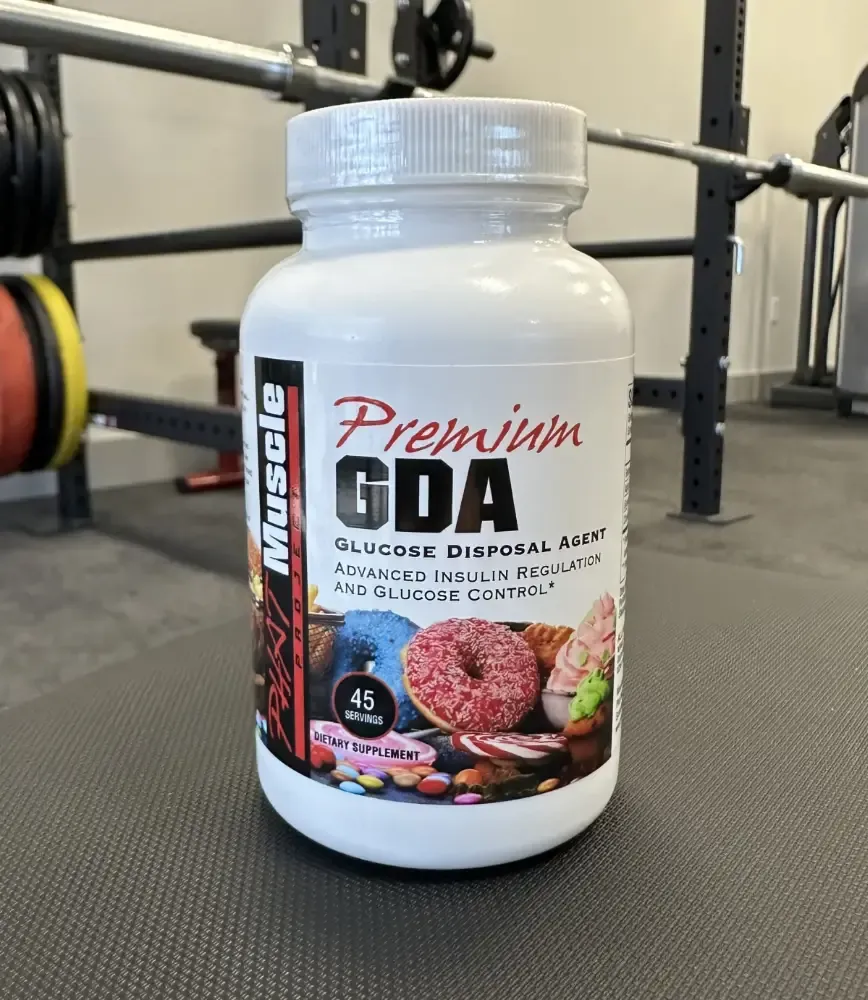
What is a “GDA”???
A bunch of athletes have been asking me this question so here goes nothing:
A glucose disposal agent (GDA) is a supplement designed to help your body clear glucose from the bloodstream more efficiently and shuttle it into muscle and liver cells , rather than letting it hang around in the blood or get stored as fat.
More simply, they help you handle carbs better.
When you eat carbohydrates:
Blood glucose rises
Insulin is released
Cells either accept that glucose or they don’t
A GDA aims to:
Improve insulin sensitivity → cells respond better to insulin
Increase glucose uptake into muscle → more fuel for training and recovery
Reduce glucose spikes → steadier energy, fewer crashes
Bias nutrients toward muscle, not fat (especially when paired with training)
How they work
Most GDAs act through one or more of these pathways:
Insulin mimetic effects (act like insulin without increasing insulin itself)
AMPK activation: improves glucose transport
GLUT-4 translocation: moves glucose transporters to muscle cell membranes
Reduced intestinal glucose absorption (slower carb entry)
Who benefits most
Athletes eating higher-carb diets
People with poor carb tolerance
Those in a calorie surplus
Hard training phases where glycogen replenishment matters
What GDAs are not
Not fat burners
Not a license to eat junk
Not a replacement for training, sleep, or diet quality
They amplify good behavior , they don’t fix bad habits.
Best timing
With your largest carb meal
Pre- or post-training when muscles are most insulin-sensitive
Bottom line
A GDA doesn’t make you lean.
Training, nutrition, and discipline do.
A GDA simply helps ensure the carbs you earn in training go where they’re supposed to go .
Daily Strength and Conditioning W.O.D. – 24 Minutes (6 Rounds for time)
Every 4 Minutes on the 4 Minutes Complete…
20 Kettlebell Swings (70/55)
15 Hand Release Push Ups
10 Chest to Bar Pull Ups
Log all 6 times.
Intended Stimulus
This is a repeatable midline and upper-body stamina test .
Each 4-minute window should be challenging but sustainable, allowing you to complete the work and earn meaningful rest before the next round .
The goal is not to survive one fast set—it’s to repeat quality work across every interval .
Time Target
Aim to finish each round in 2:00–2:45
This leaves 1:15–2:00 of rest , which is the point of the workout
If you’re consistently finishing over 3 minutes, scale volume or movement difficulty
Movement Expectations & Pacing
Kettlebell Swings:
Choose a load you can complete unbroken or with one quick break
Drive with the hips, not the arms
This should elevate heart rate but not crush grip
Hand Release Push Ups:
Maintain strict standards: chest and thighs down, hands release every rep
Break early to avoid form breakdown
Lock out elbows fully at the top
Chest to Bar Pull Ups:
Expect this to be the limiter
Break into smart sets (e.g., 5-3-2 or 4-3-3)
Maintain tight, efficient kip mechanics rather than rushing reps
How This Should Feel
Breathing is elevated but controlled
Upper body fatigue accumulates each round
You should feel pressure to stay efficient, not frantic
If you finish each round exhausted with no rest, the stimulus is missed. Scale chest-to-bar volume or move to pull-ups or banded work so you can repeat effort with consistency .
Big Picture
This workout builds:
Upper-body muscular endurance
Midline stability under fatigue
The ability to manage repeated efforts with limited recovery
Move with purpose, earn your rest, and make every round look the same.
Step 1:
15 Russian Kettlebell Swings (25/15)
10 Hand Release Push Ups (Knees)
5 Ring Rows or Seated Ring/Barbell Pull Ups
Step 2:
20 Kettlebell Swings (35/20)
15 Hand Release Push Ups from Knees
10 Pull Ups (Banded, Kipping, Jumping) or 5 Strict Pull Ups
Step 3: 55/35
Step 5:
20 Kettlebell Swings (70/55)
15 Handstand Push Ups
10 Chest to Bar Pull Ups
Endurance Version of The Daily W.O.D. – 24 Minutes (AMRAP – Rounds and Reps)
As Many Rounds and Reps as Possible in 24 Minutes of…
20 Kettlebell Swings (55/35)
15 Hand Release Push Ups
10 Chest to Bar Pull Ups
This workout is for the actual members. If there are any new athletes trying out a class, I’d like them to perform the E4MOM to :
1. Learn interval training because it’s one of the more important styles of training we perform.
2. Limit the amount of work being accomplished.
3. Allow coaches to have opportunities to adjust and modify them during remaining rest time.
Step 1:
20 Russian Kettlebell Swings (25/15)
15 Hand Release Push Ups from Knees
10 Ring Rows or Seated Ring Pull Ups/Seated Barbell Pull Ups
Step 2:
20 Kettlebell Swings (35/20)
15 Hand Release Push Ups
10 Pull Ups (Kipping, Banded, Jumping) or 5 Strict Pull Ups
Step 3: Same as Step 4